
| TL;DR For griha pravesh you need a flat that is safe, clean, has working water and electricity and has a small, well-prepared puja space. You do not need finished interiors. Do snagging and any drilling, civil or electrical work before you move in, because it is far harder once furniture is in. Keep modular wardrobes, false ceilings and full furniture for later. Fix the date with your priest and confirm the society’s rules for move-in and interior work. |
Moving into a new flat around Diwali feels auspicious, but it is also a time when people make hurried decisions. The builder hands over the keys, the muhurat is fixed, relatives are coming, and the house is still a shell. The goal is not a finished home on day one. It is a home that is safe, working and ready for the ceremony, with the bigger interior work planned properly.
Step 1: Do a proper snagging check
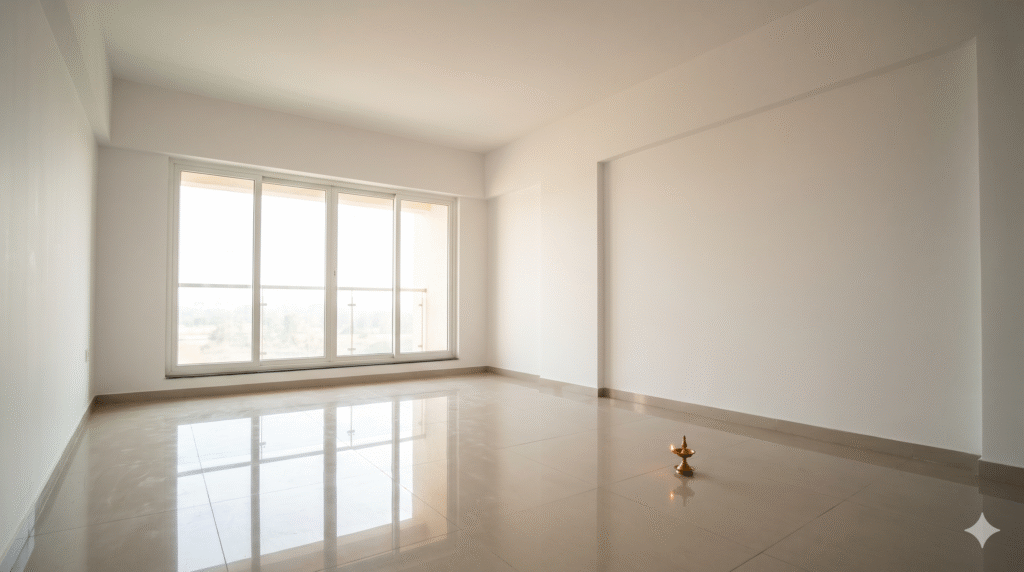
Snagging means checking the flat for defects before you accept it. Do it in daylight, with a torch, a marker and a phone camera. Go room by room.
- Walls and ceilings: cracks, damp patches, uneven plaster, paint patches.
- Floors: hollow sounding tiles (tap them), chips, uneven slopes towards drains.
- Doors and windows: they should open, close and lock properly, with no gaps.
- Electrical: test every switch, socket and light. Check that the main board and MCBs are labelled.
- Plumbing: run every tap and flush, look for leaks, check water pressure and drainage in bathrooms and balcony.
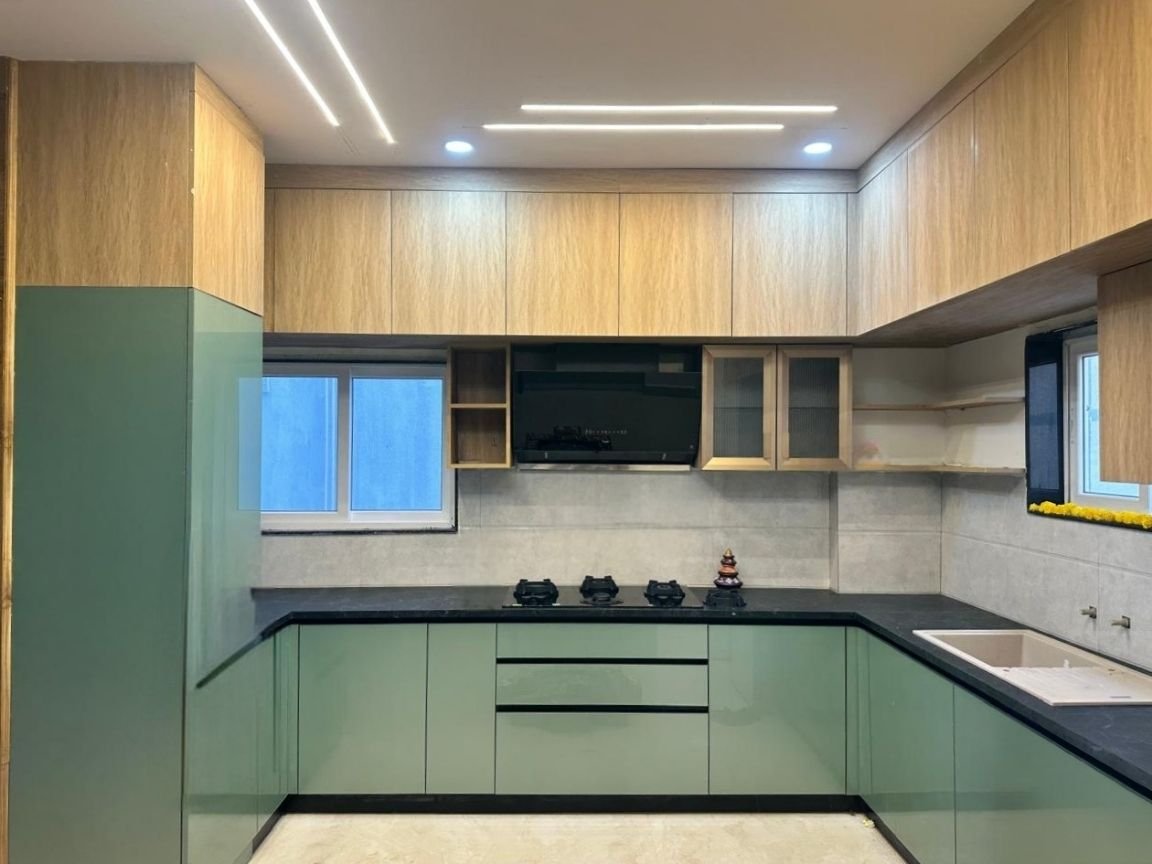
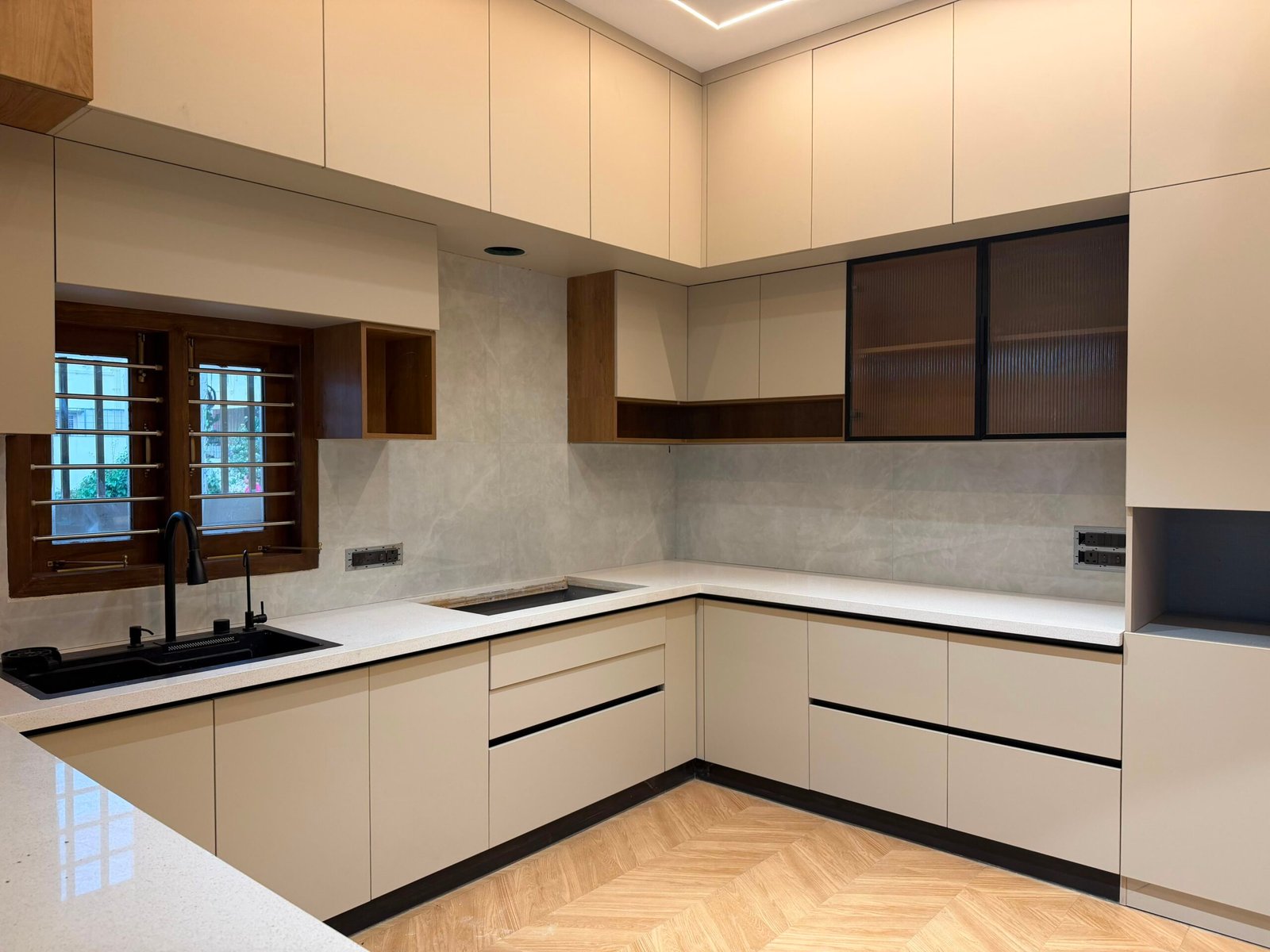
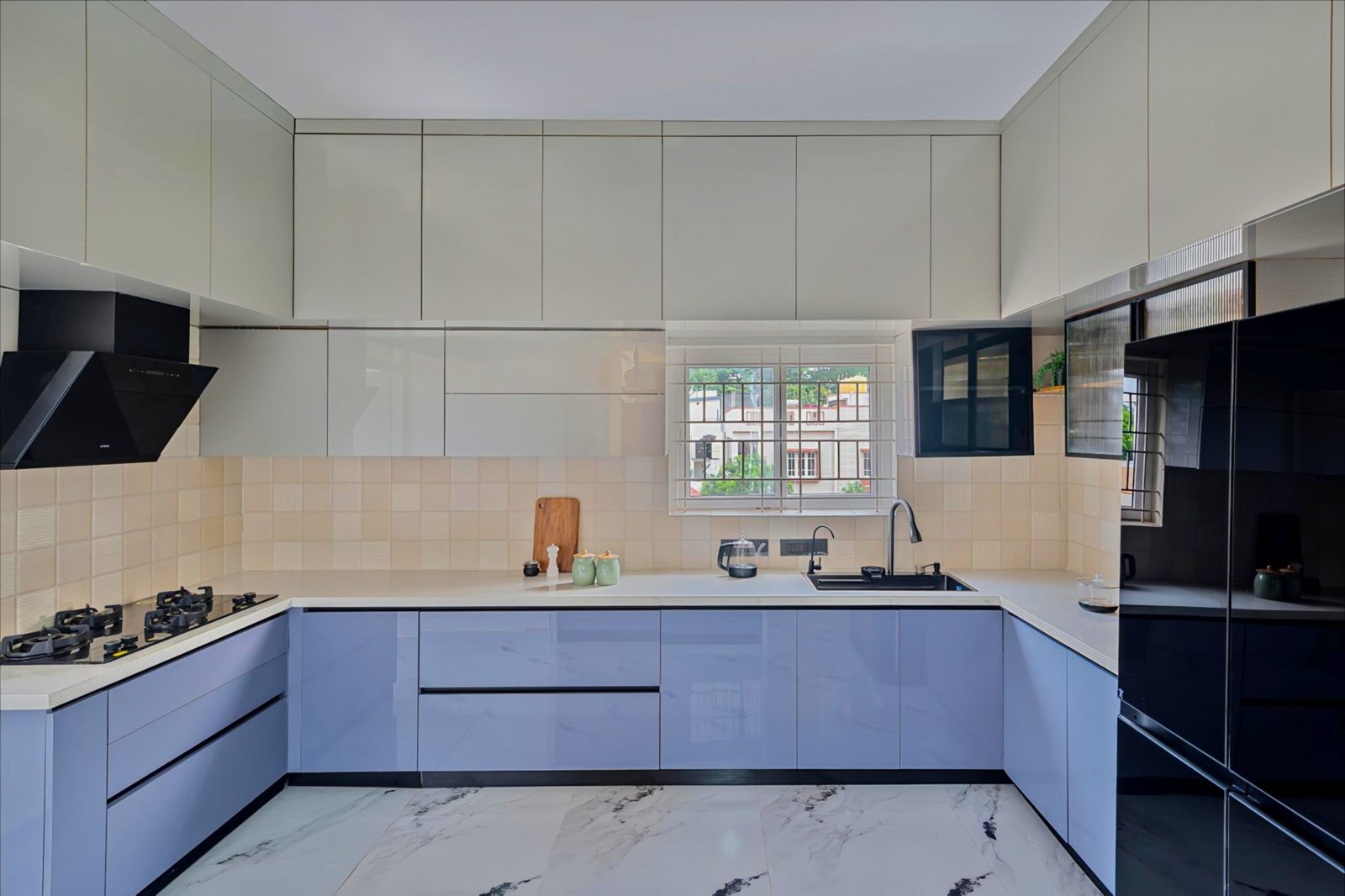
- Kitchen: platform level, sink and drain, exhaust provision, gas pipeline if provided.
- Waterproofing signs: damp or stains on walls below bathrooms and balconies.
Write down every defect with photos and send it to the builder in writing. Do not skip this because a muhurat is close. It is much easier to get things fixed before you move in.
Step 2: Confirm utilities and paperwork
Check that the electricity connection is active, water supply is working and the society has your details on record. Ask the society about move-in rules, lift booking, working hours for interior work and any deposits for interior contractors. These rules affect your schedule more than people expect, and they vary between apartment complexes in Bangalore.
Step 3: Do the messy work before you move in
Anything that involves drilling, cutting, dust or paint is best done while the flat is empty. That includes extra electrical points, any changes to plumbing points, waterproofing fixes, wall painting and anything that needs the floor to be clear. Once furniture and belongings are in, this work is slower, dirtier and more expensive. If you plan interiors in the next few months, speak to a designer before griha pravesh about what should be done now.
Step 4: Set up the minimum for the ceremony
For the day itself and the first few weeks, you really need only these.
- A cleaned, ventilated flat with working lights and fans.
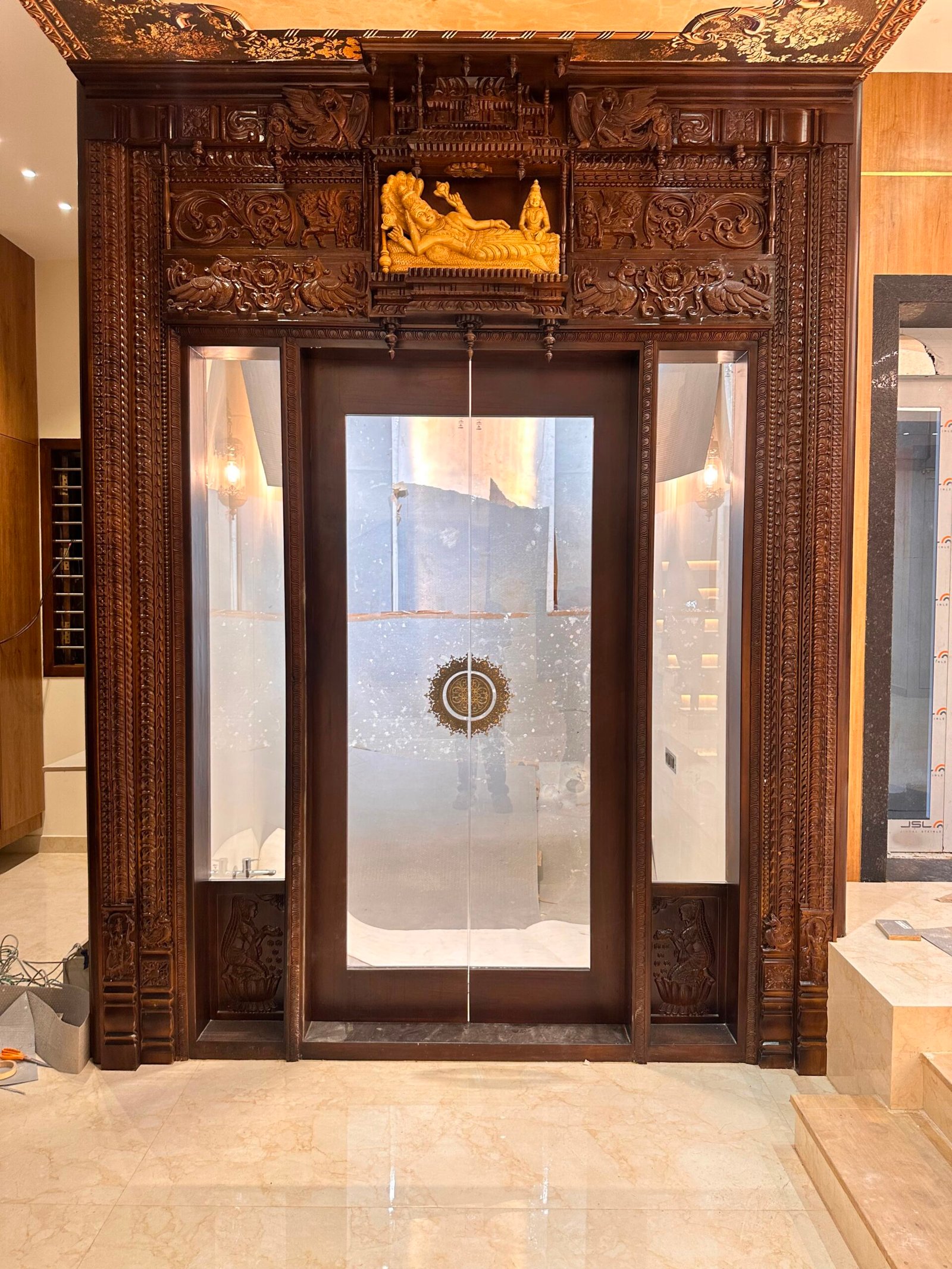
- A prepared puja space, even a temporary one. See our guide to puja corners in small flats.
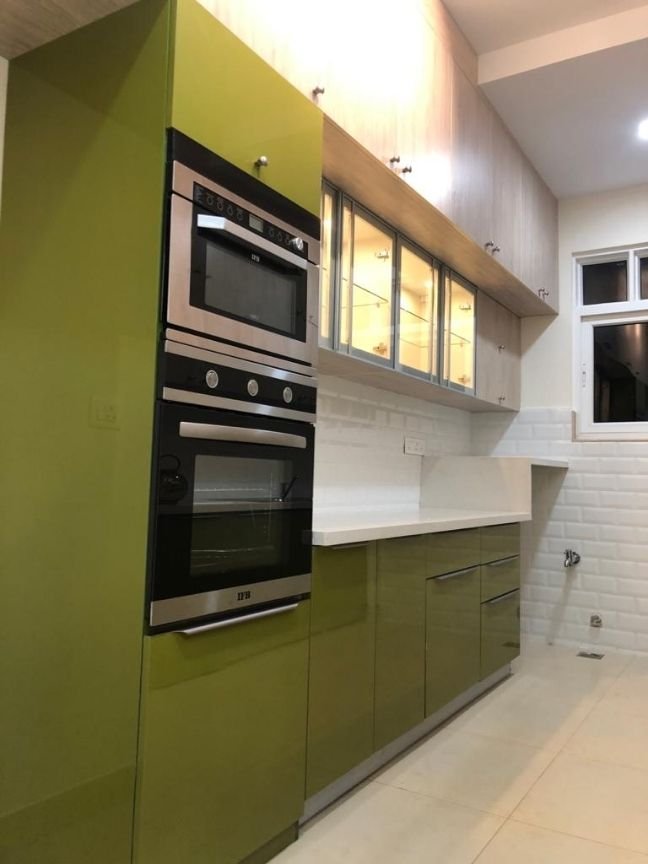
- Basic kitchen setup so you can boil milk, a traditional part of many ceremonies.
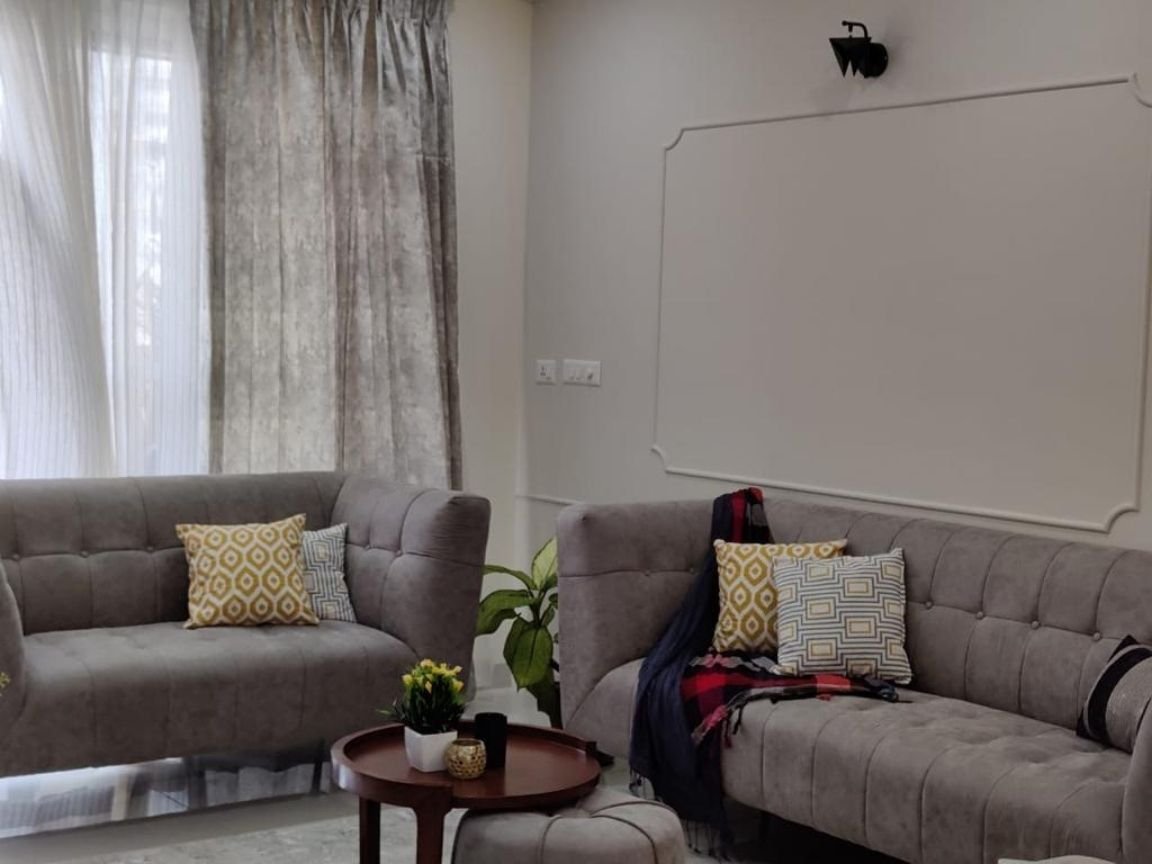
- Curtains or blinds in bedrooms and the living room for privacy.
- Beds or mattresses, a few seating options and basic storage.
- Working bathrooms with fittings and water.
What can wait until after griha pravesh
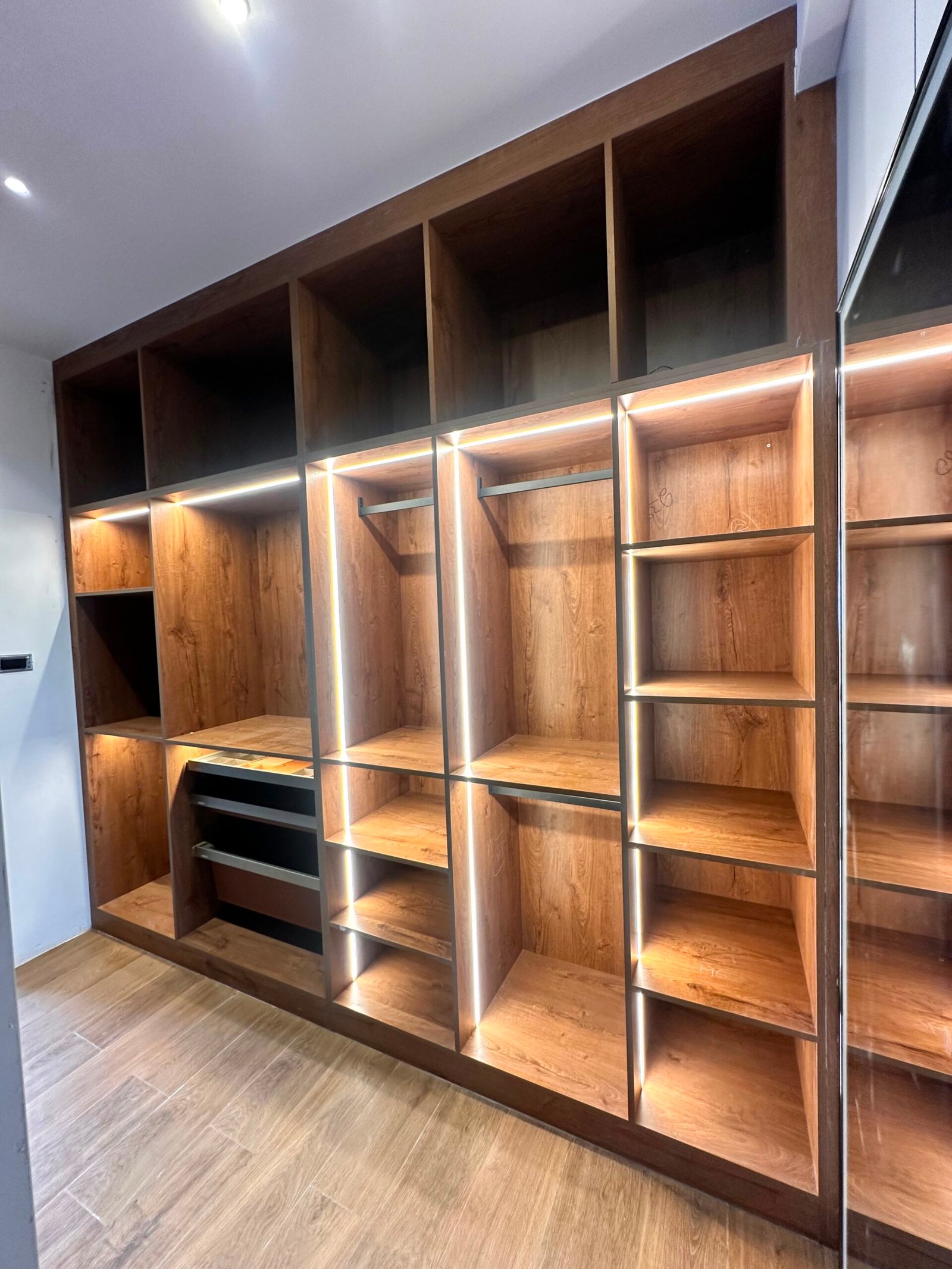
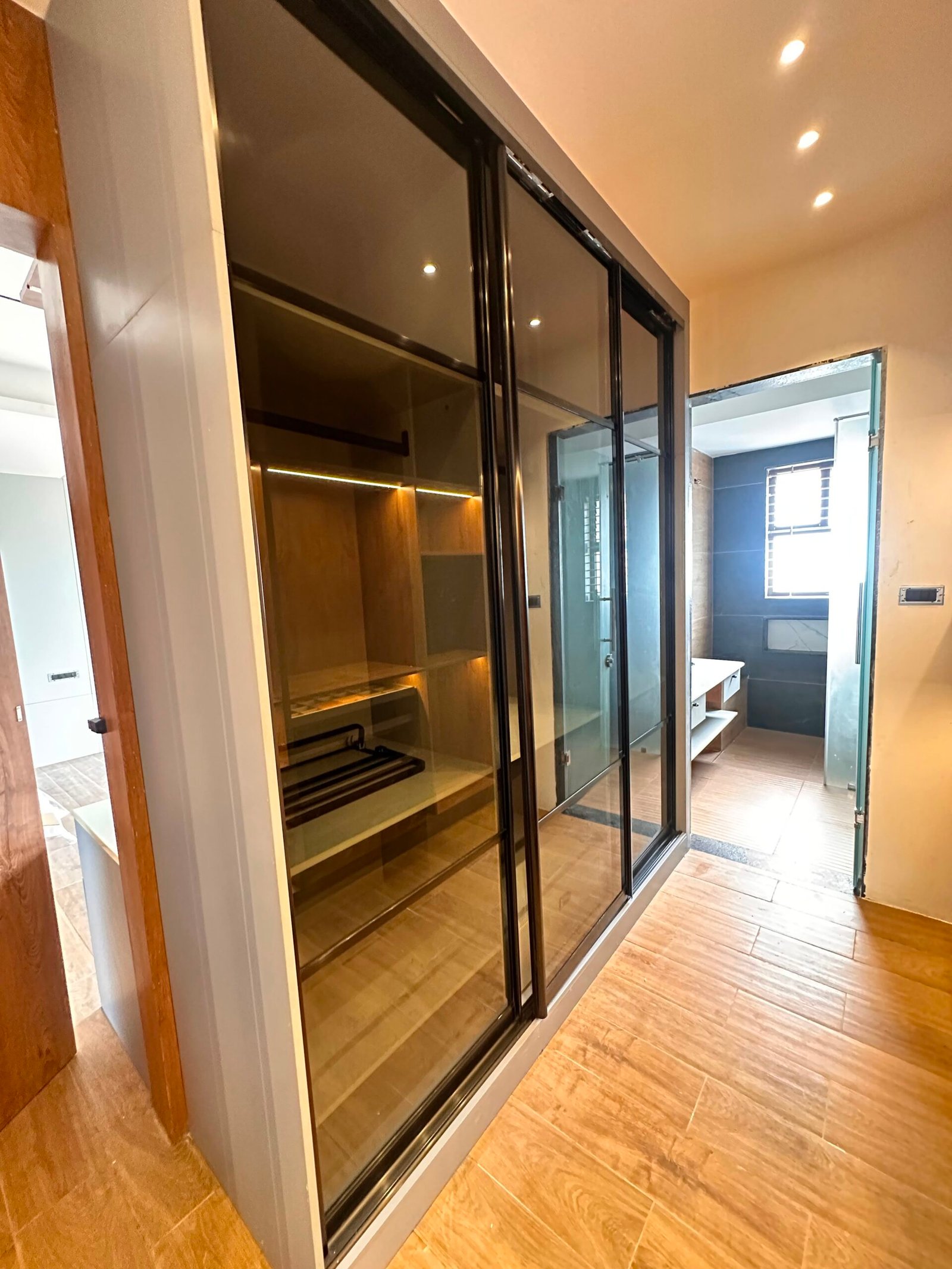
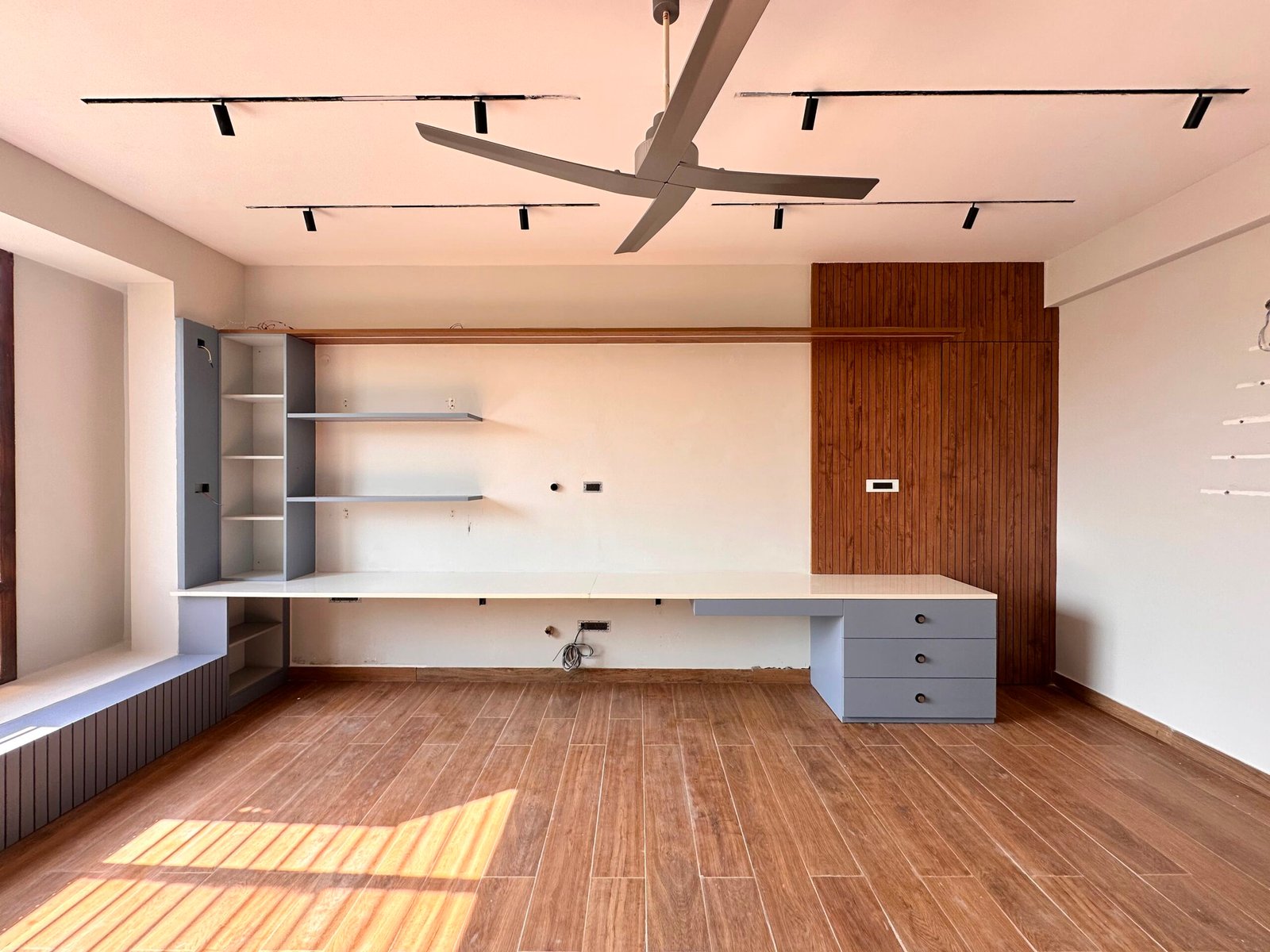
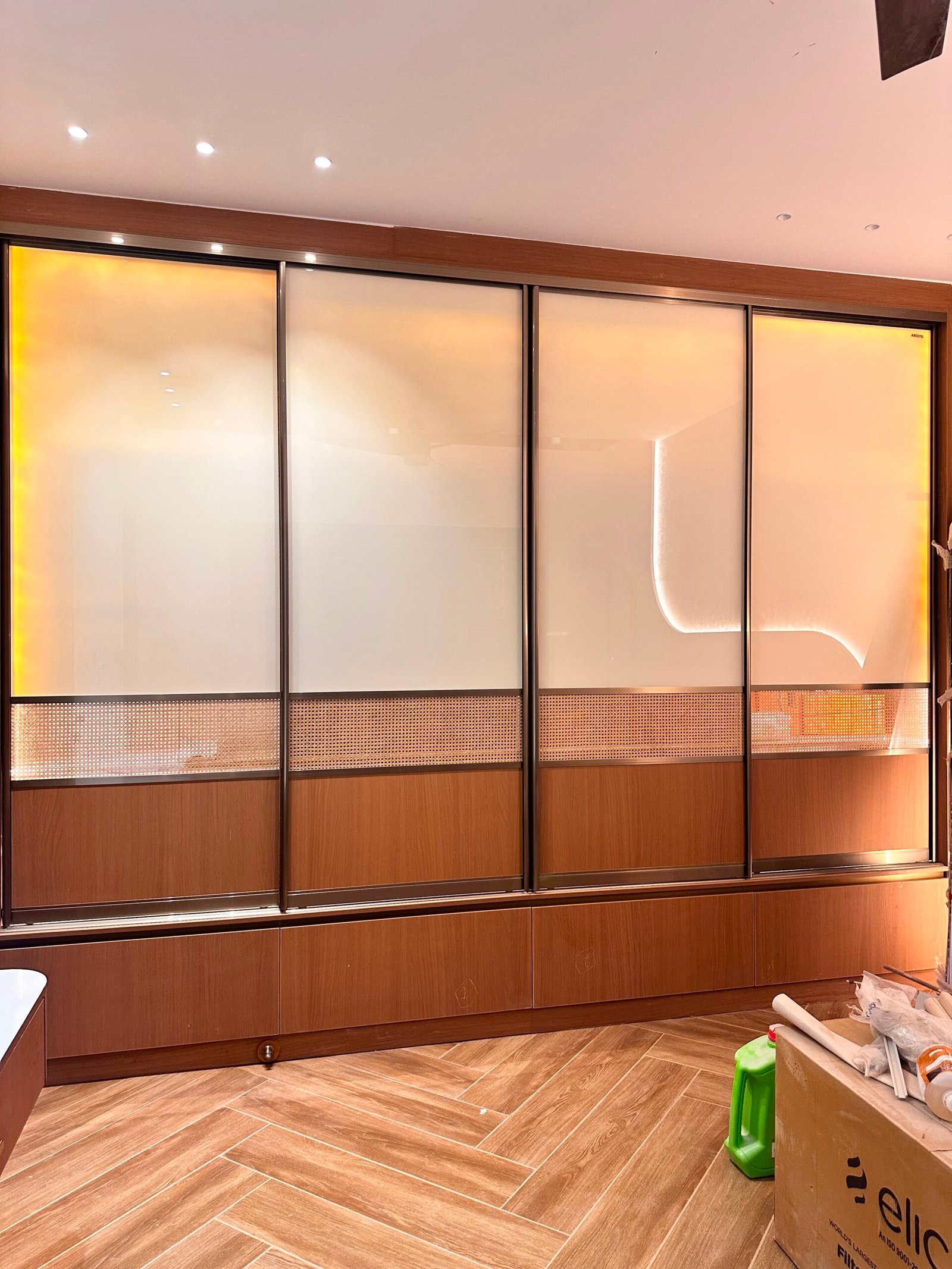
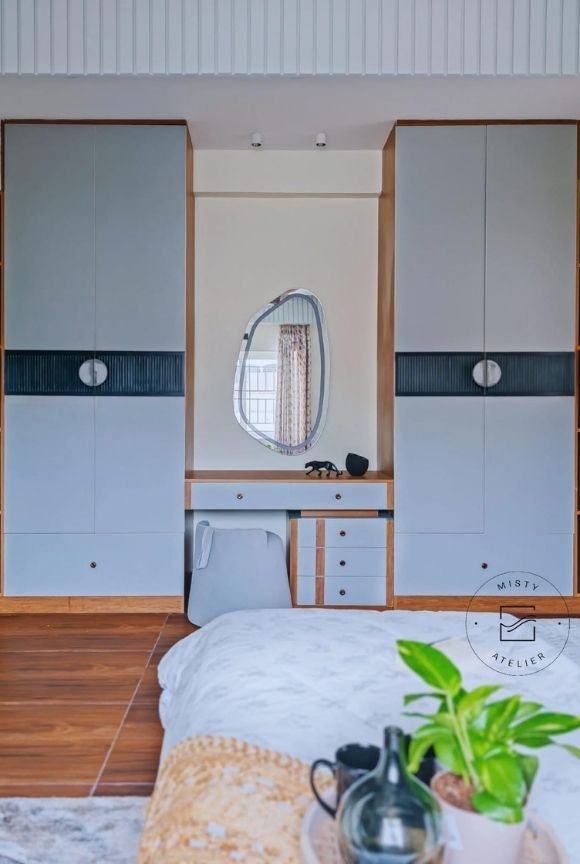
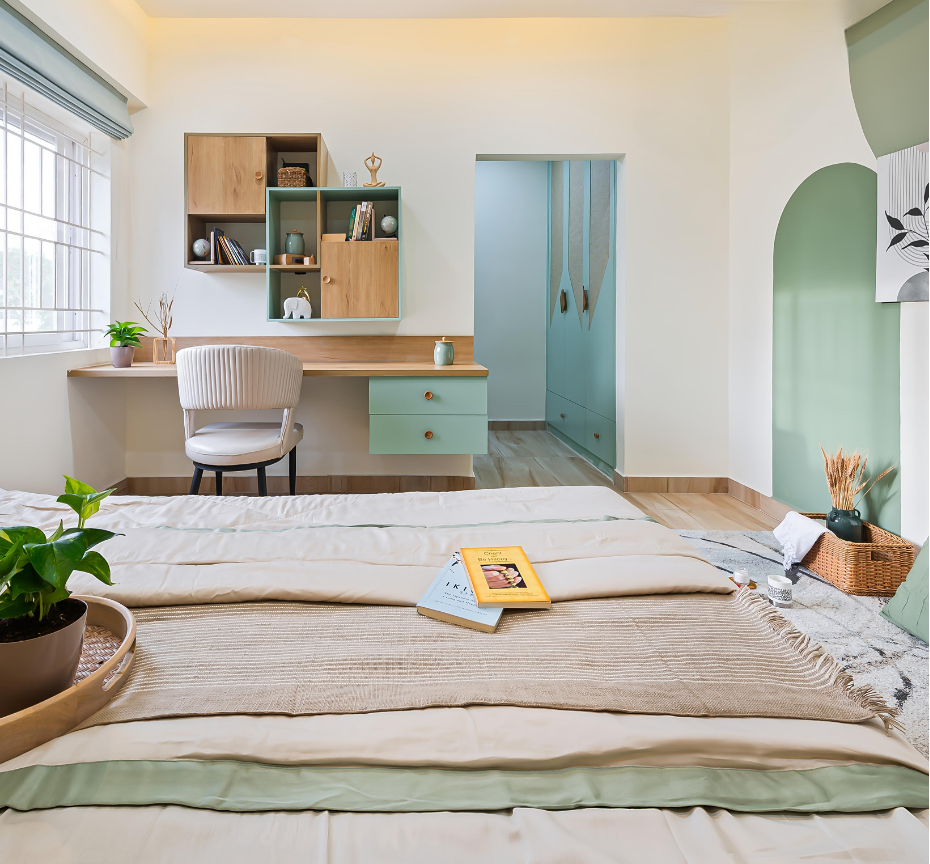
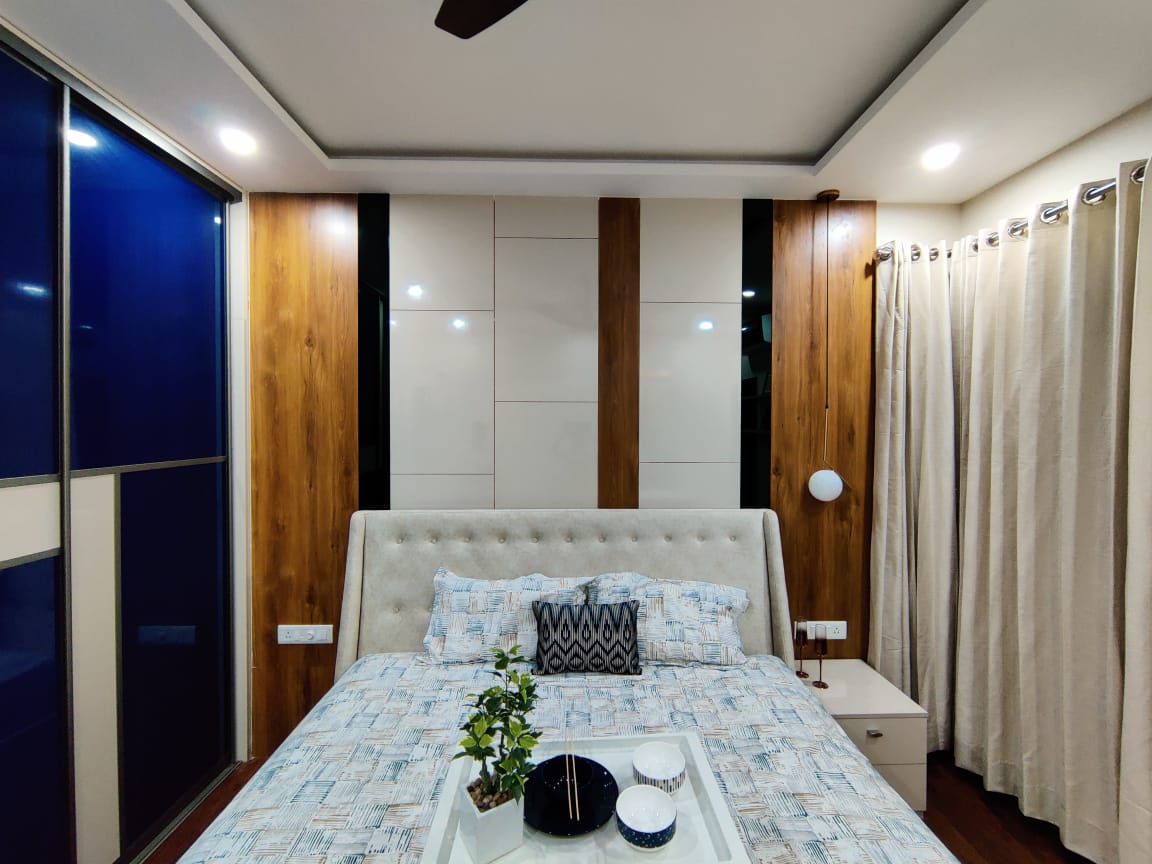
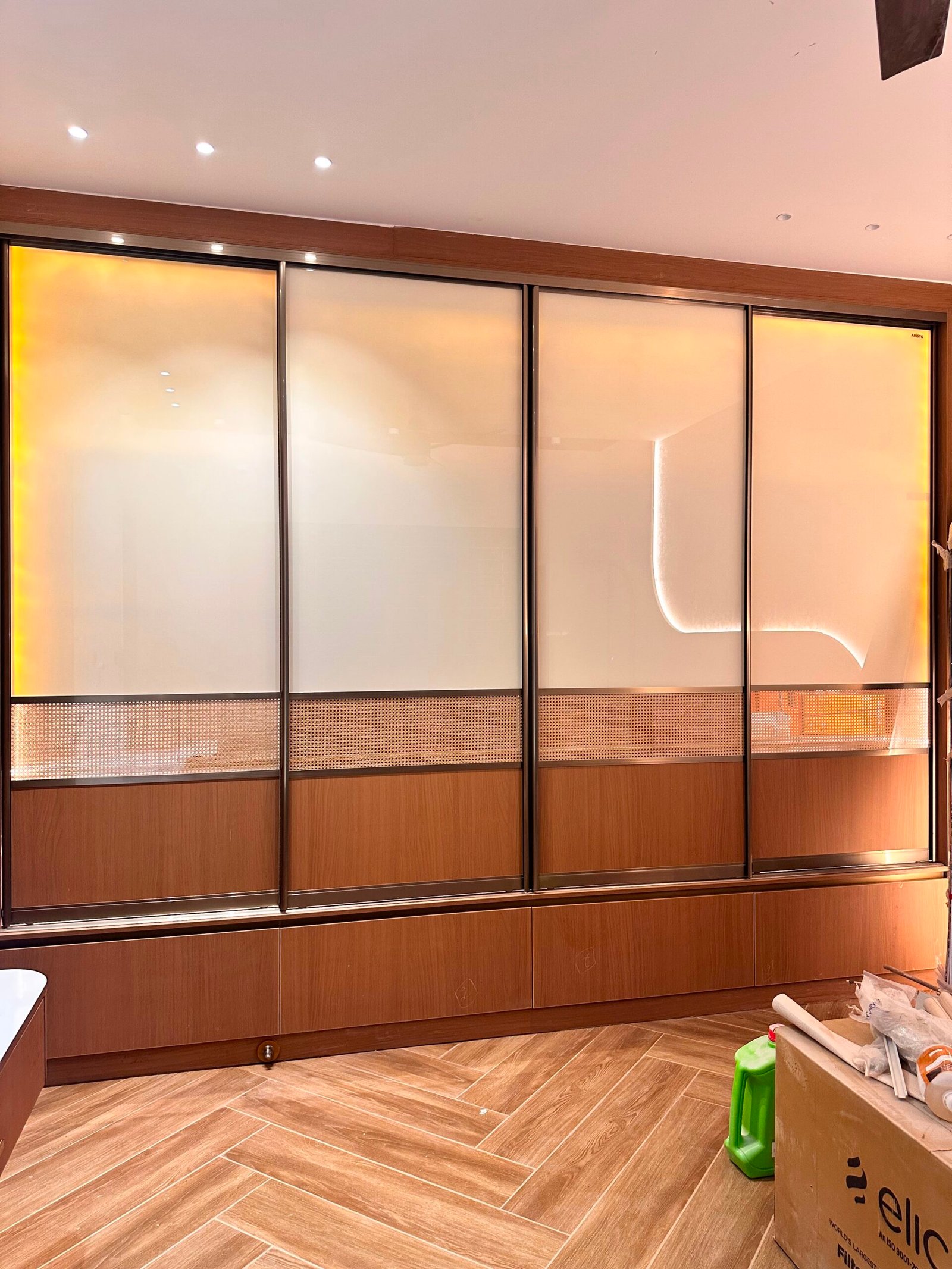
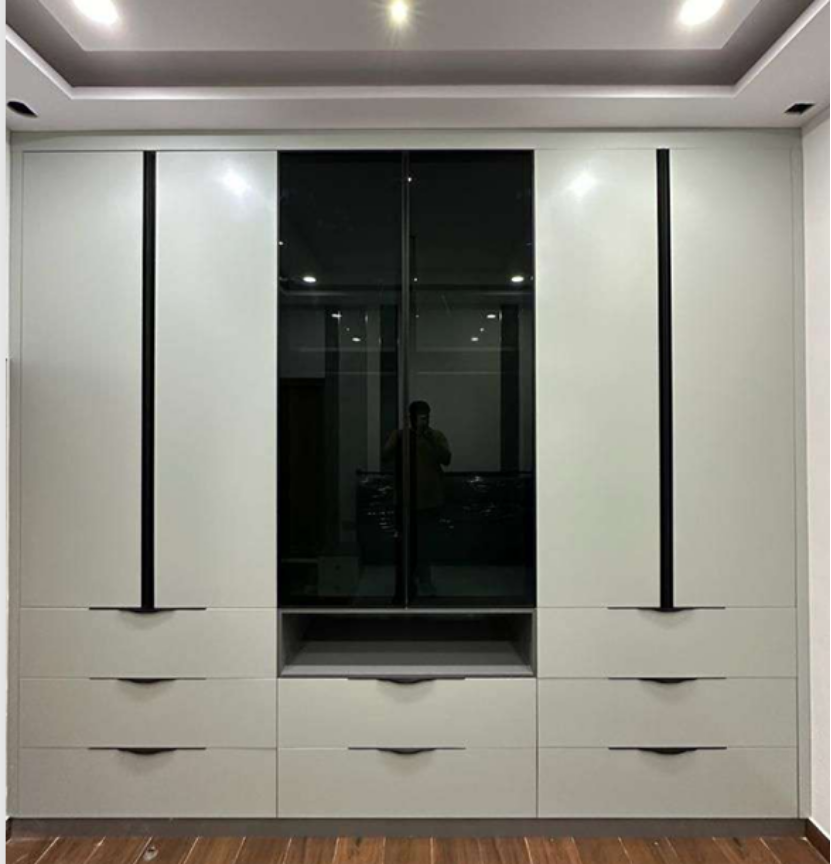
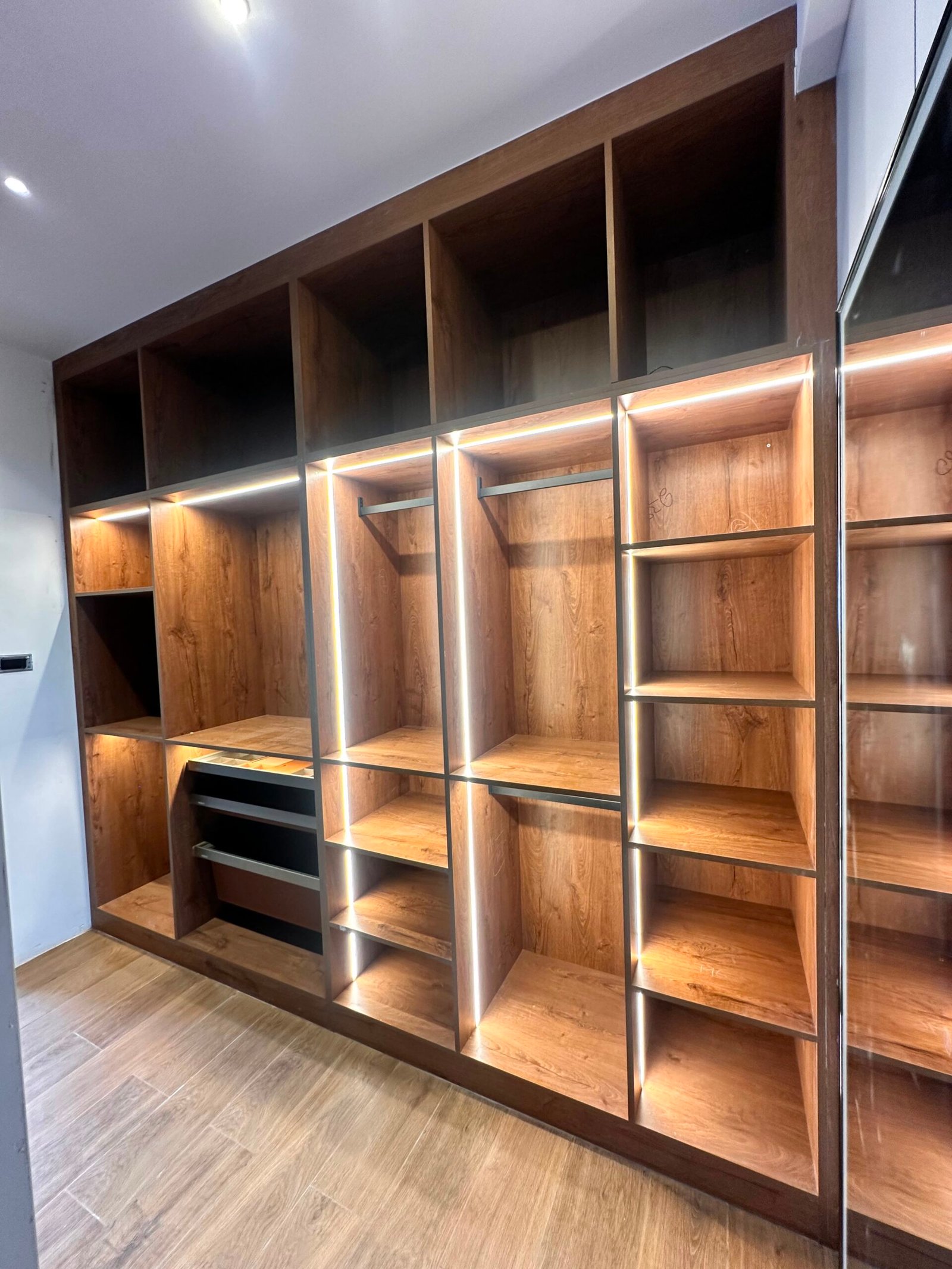
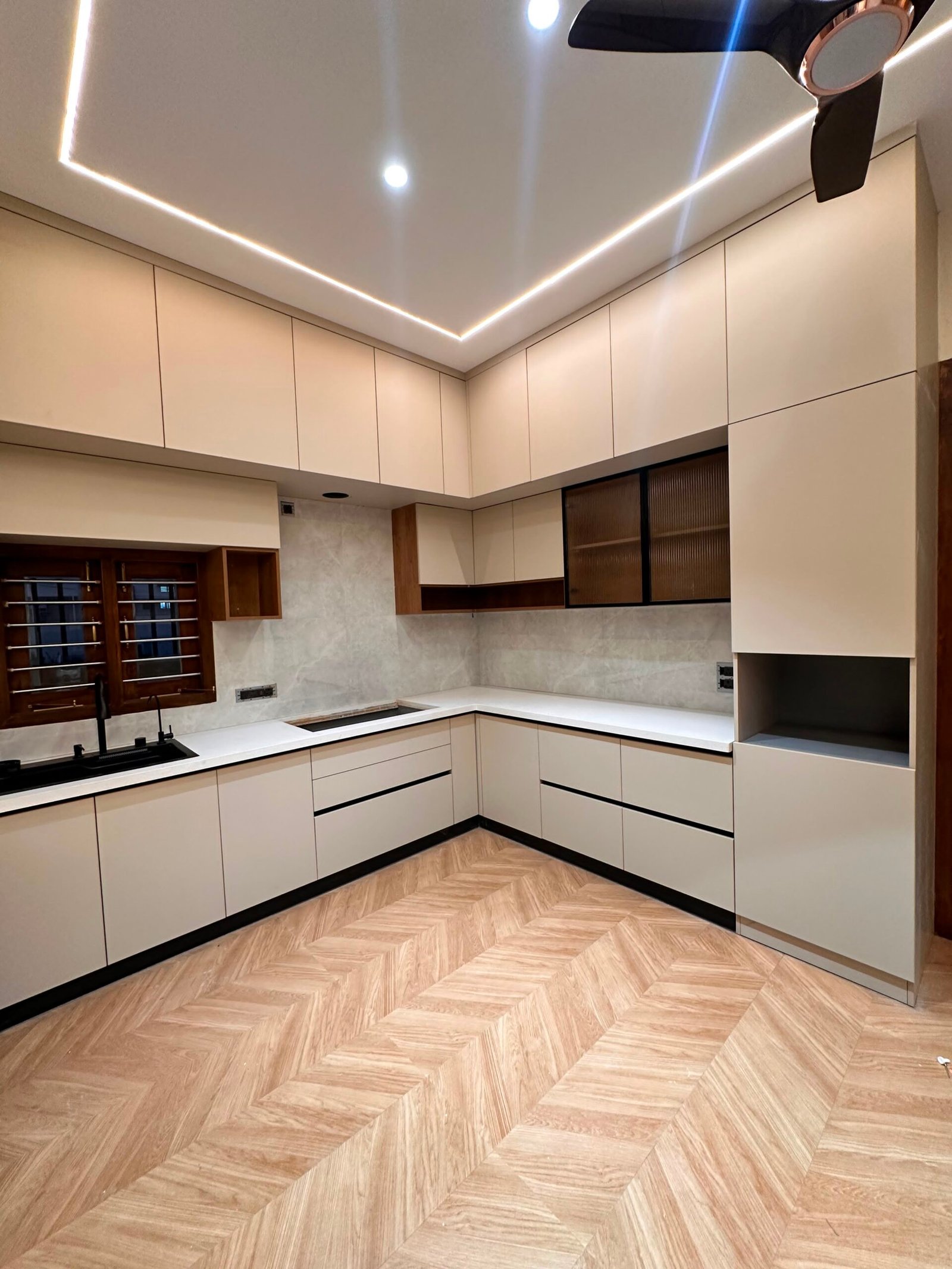
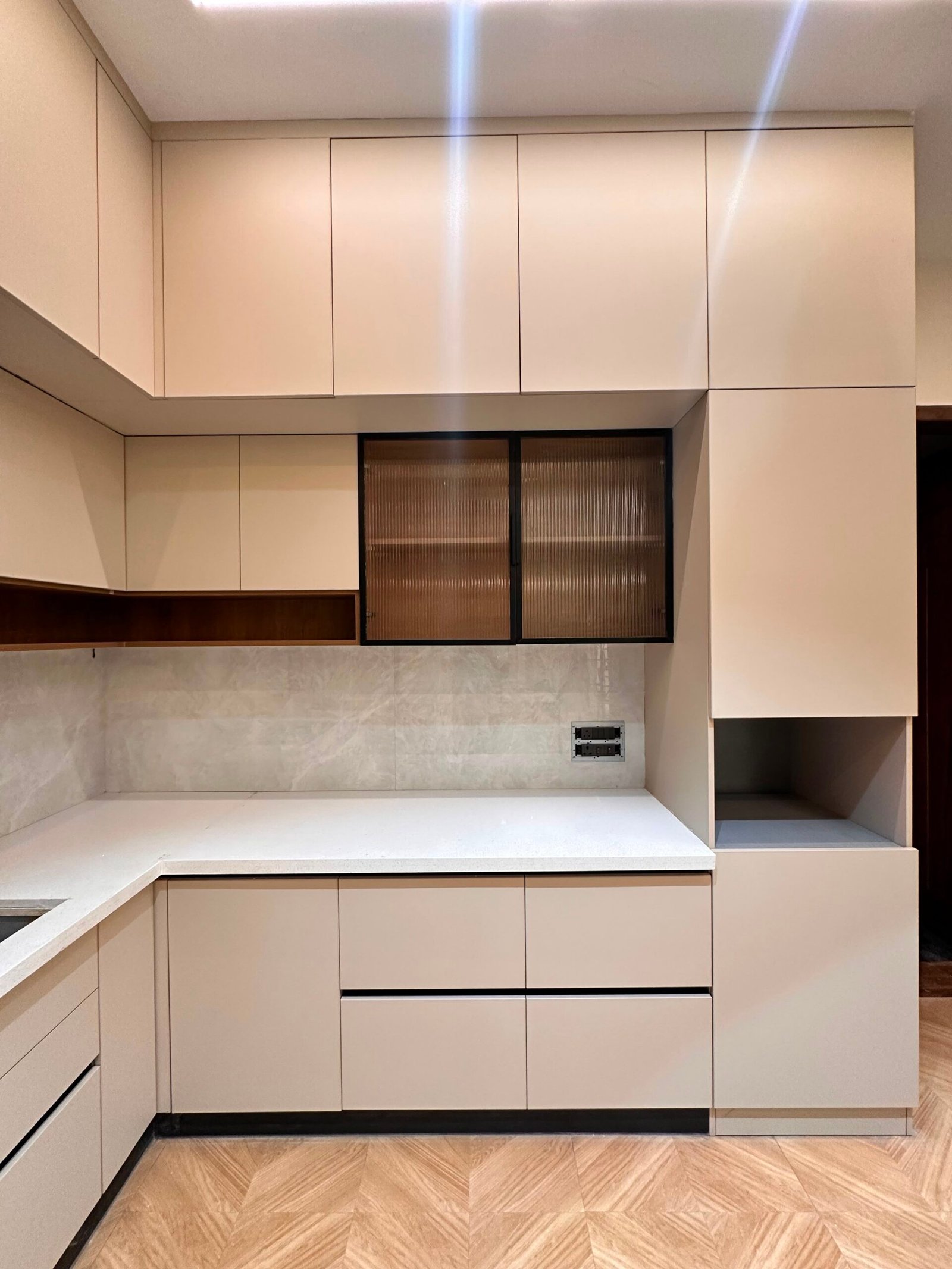
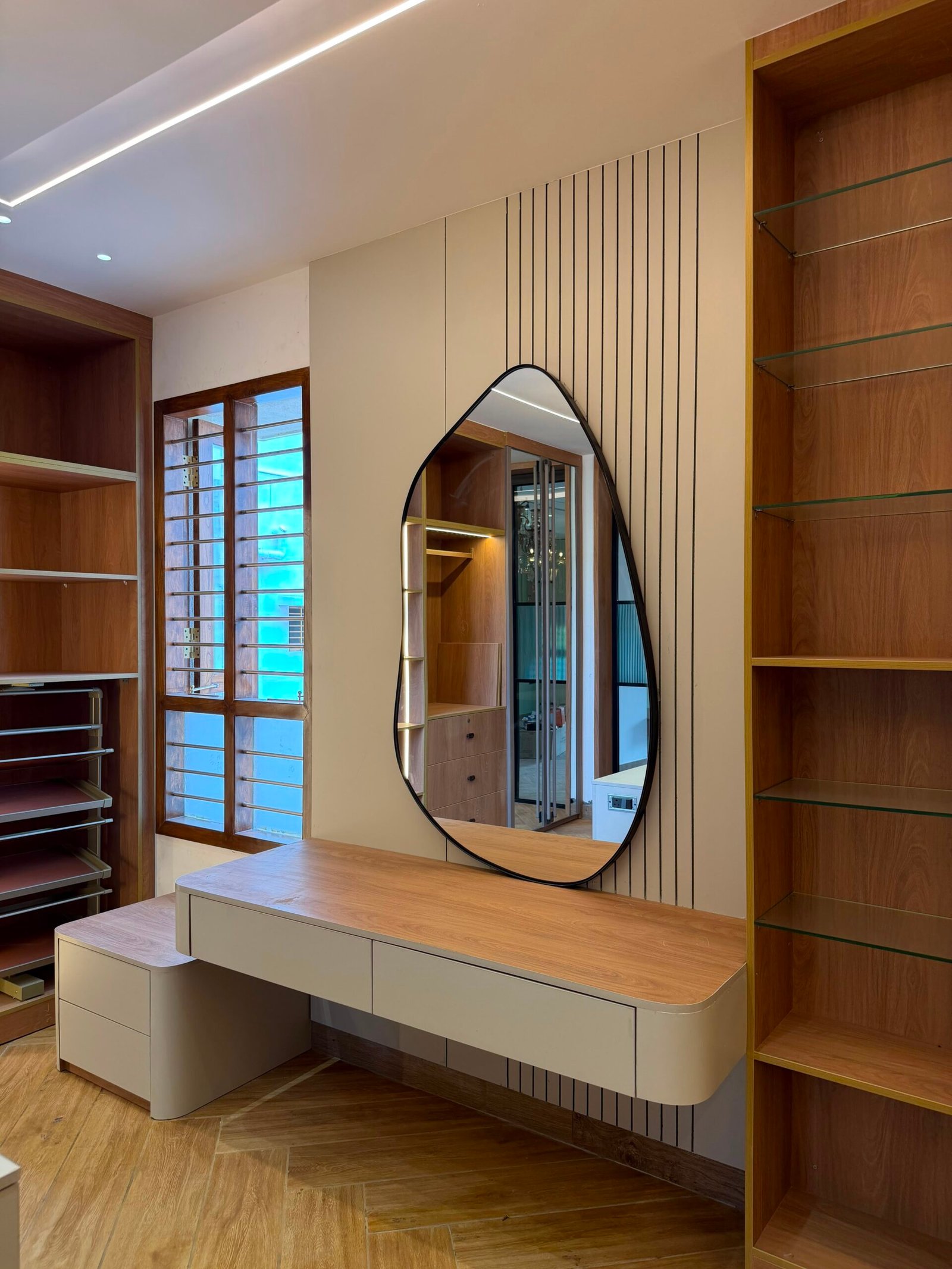
- Modular wardrobes and full carpentry.
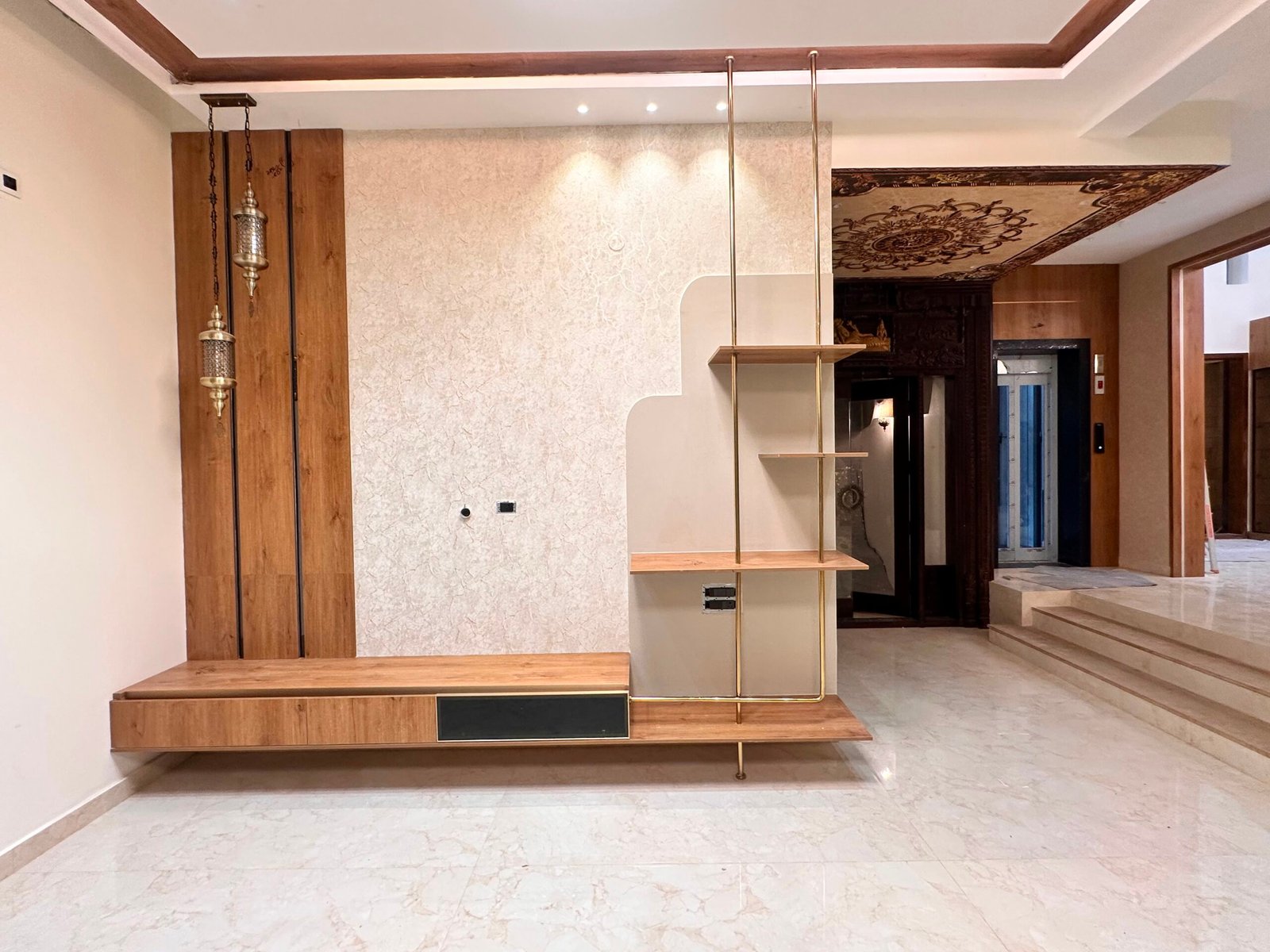
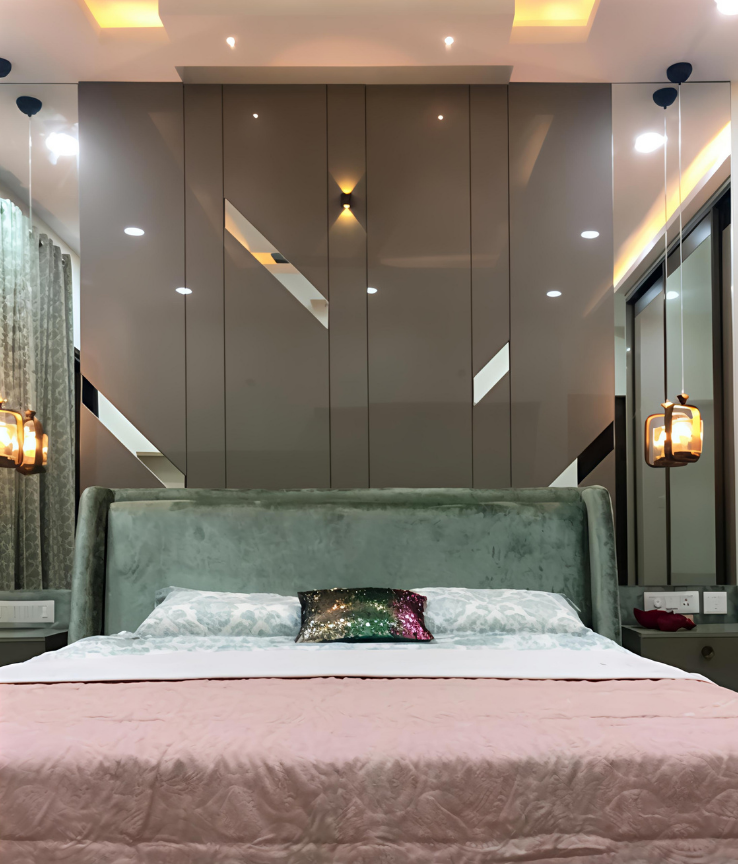
- False ceilings and detailed lighting design.
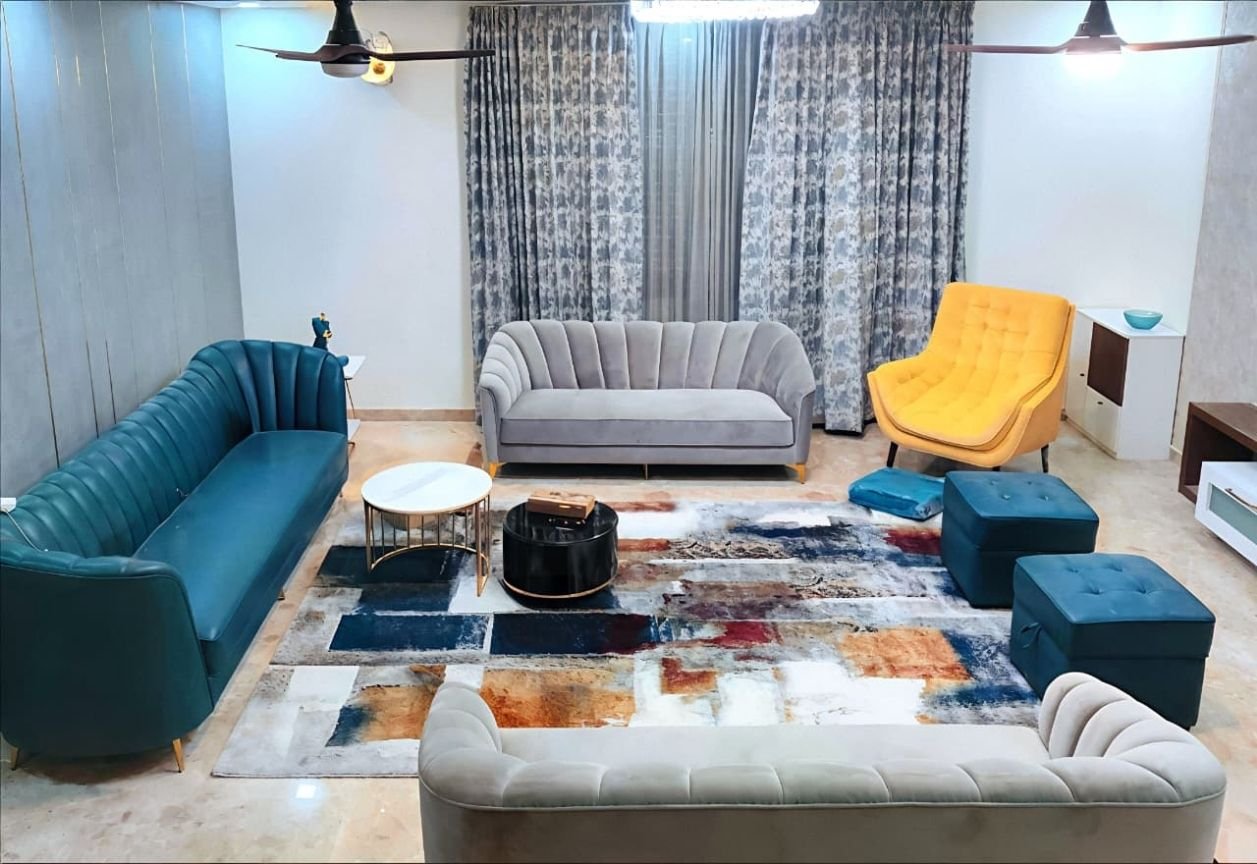
- The final sofa, dining table and large furniture.
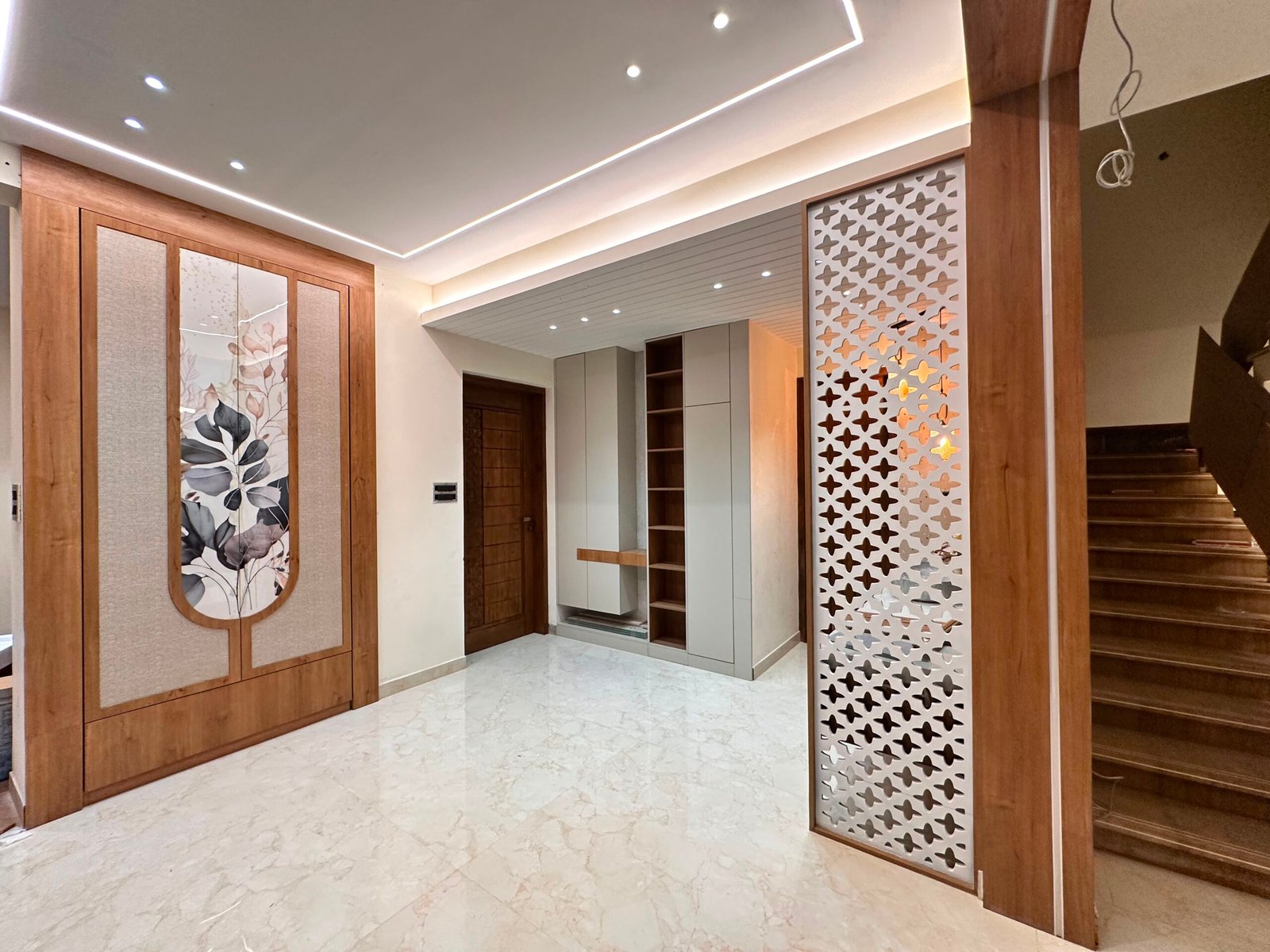
- Wallpaper, feature walls and decorative panels.
- Smart home and automation features.
Buying big furniture before the layout is planned is one of the most common regrets. It is better to live in the space for a few weeks, see how light and movement work, and then plan the permanent interiors.
What not to do
- Do not accept possession without a written snagging list.
- Do not start major interior work and move in at the same time.
- Do not pay large advances to anyone because of a festival deadline.
- Do not let a salesperson’s festive offer decide your designer. Compare at least two or three.
If you do plan to hire a designer for the full interiors, the best time to talk to one is soon after possession, when the flat is still empty and measurements and site conditions are easy to check. At Infrabob we match homeowners with verified independent designers in Bangalore, and many of the homeowners we speak to are at exactly this stage. A designer can visit your flat, look at the actual site and tell you what should happen before and after you move in. You compare, you choose, and the designer prices their own work. Infrabob does not take a percentage of your project value.
Frequently Asked Questions
Do I need to finish interiors before griha pravesh?
No. Most families move in with a basic setup and complete the interiors over the next few months. What matters is that the flat is safe, clean and has working utilities.
What is snagging and why is it important?
Snagging is the process of inspecting a new flat for defects before you accept possession. It is important because it gives you a documented list the builder must fix.
Should I fix the griha pravesh date before or after possession?
Usually after you have confirmed possession and a realistic move-in date. Speak with your family priest and keep some flexibility in case defects need fixing.
Can I start interior work right after possession?
Yes, but check your society’s rules on timing, permissions, deposits and working hours first.
How long do interiors take after possession?
It depends on the scope. A full home often takes a couple of months or more from finalising the designer to handover. Our post-Diwali timeline guide explains how to plan backwards from your move-in date.
| Want an expert to look at your flat before you plan anything? Message us on WhatsApp with the word SITEVISIT and we will help you arrange a site visit with a verified designer. |