

TL;DR: A truly kid-friendly home doesn’t have to look like a playroom exploded in your living room. With the right materials, layout, and a few smart swaps, you can build a space that’s durable, safe, pet-proof, and still beautiful. Think rounded edges over sharp corners, washable fabrics over “handle with care” upholstery, low-maintenance flooring, and storage that grows with your child. At Infrabob, we help Bangalore homeowners strike this balance every day — pairing families with the right interior designer for their lifestyle, not just their floor plan.
Why “Kid-Friendly” and “Beautiful” Aren’t Opposites
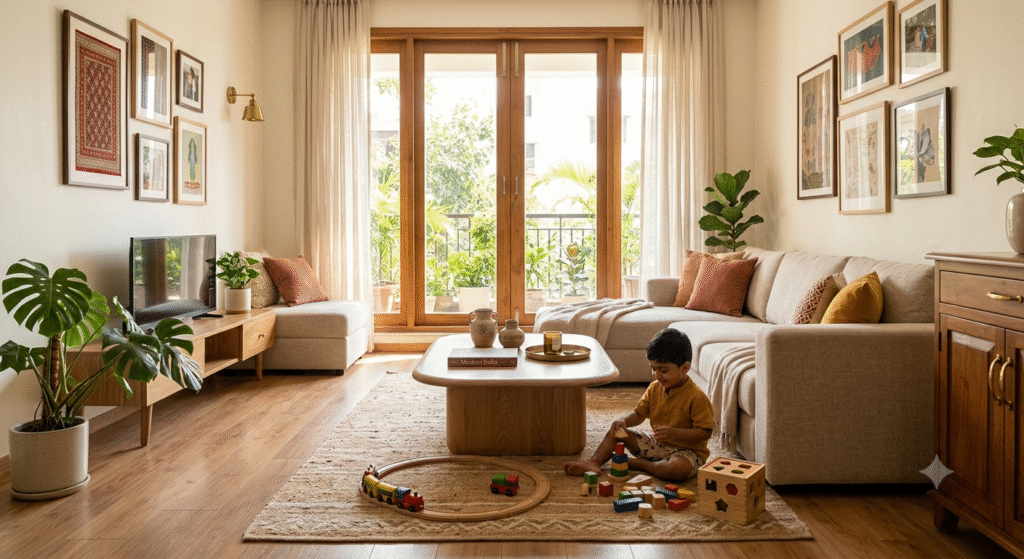
Ask any parent renovating their home in Bangalore and you’ll hear the same worry: “I want my home to look good, but I also have a toddler who treats every wall like a canvas and a puppy who treats every cushion like a chew toy.”
The good news? Child-friendly home design and good aesthetics aren’t in competition. The secret lies in choosing materials, layouts, and finishes that are built to handle real life — spills, scooters, crayons, and paw prints included — while still feeling like your home, not a daycare centre.
Here’s how to get there, room by room.
1. Start with Durable, Washable Materials
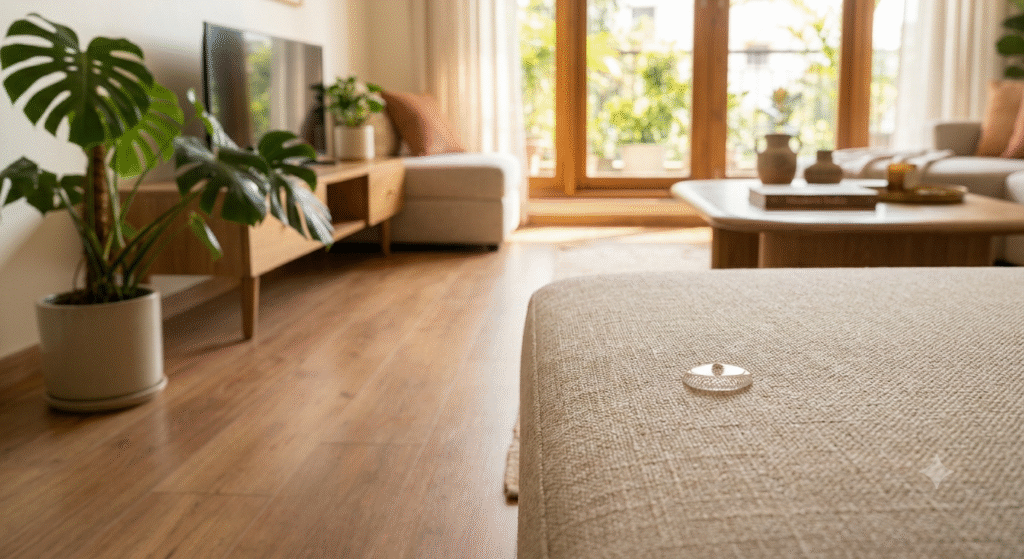
The single biggest lever in family-friendly interior design is material choice. Before you fall in love with a fabric or finish, ask: can this survive a juice spill, a crayon session, or a dog with muddy paws?
- Sofas and upholstery: Choose performance fabrics or leather-look finishes that wipe clean instantly. Avoid delicate silks or light-coloured linens in high-traffic zones.
- Flooring: Vitrified tiles, engineered wood, or scratch-resistant laminate hold up far better than natural wood or high-pile carpet when you’re dealing with both kids and pets. This is also a core piece of pet-proof flooring — look for options with good slip resistance too, since paws and little feet both need traction.
- Wall paint: Washable, low-VOC paints (matte or eggshell finishes with a wipeable topcoat) let you scrub off crayon marks without repainting the whole wall.
- Rugs: Low-pile, stain-resistant rugs are far more forgiving than shaggy or wool statement pieces.
2. Design for Safety Without Losing Style
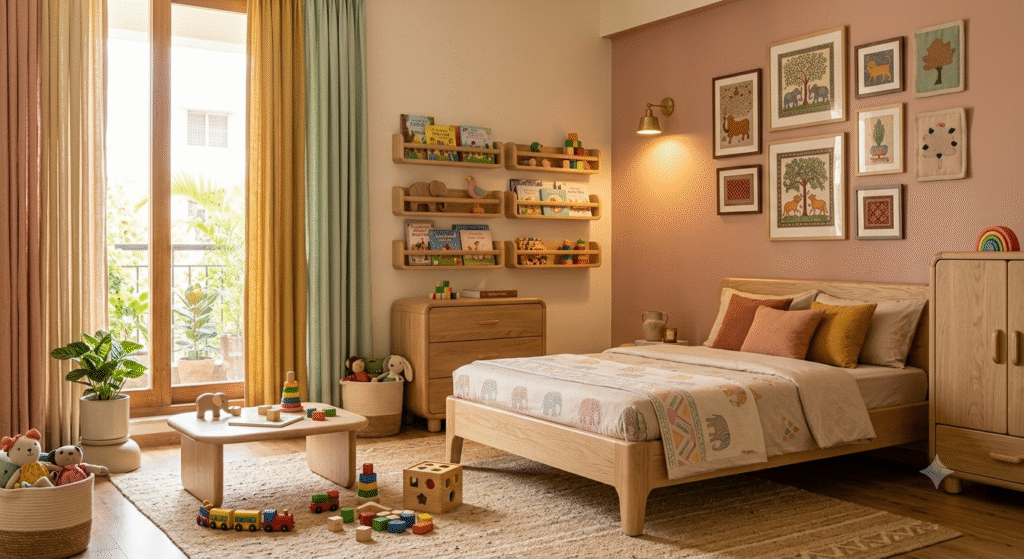
Childproofing a home often gets a bad reputation for being ugly — think bulky foam corner guards and plastic outlet covers slapped onto beautiful furniture. But safe home design can be seamless when it’s planned from the start, not bolted on afterward.
- Furniture edges: Choose furniture with naturally rounded or bullnose edges instead of retrofitting foam bumpers later.
- Anchored storage: Wall-mount tall shelving units and cabinets so they can’t be pulled over — a must for both toddler-proofing and pet safety.
- Low, accessible storage: Keep a child’s everyday items (books, shoes, toys) within easy reach, and store fragile or hazardous items higher up.
- Non-toxic finishes: Opt for low-VOC paints, formaldehyde-free plywood, and water-based polishes, especially in bedrooms and play areas.
- Cord and cable management: Built-in cable channels and concealed wiring keep dangling cords away from curious hands and paws.
3. Create Flexible, Multi-Use Spaces
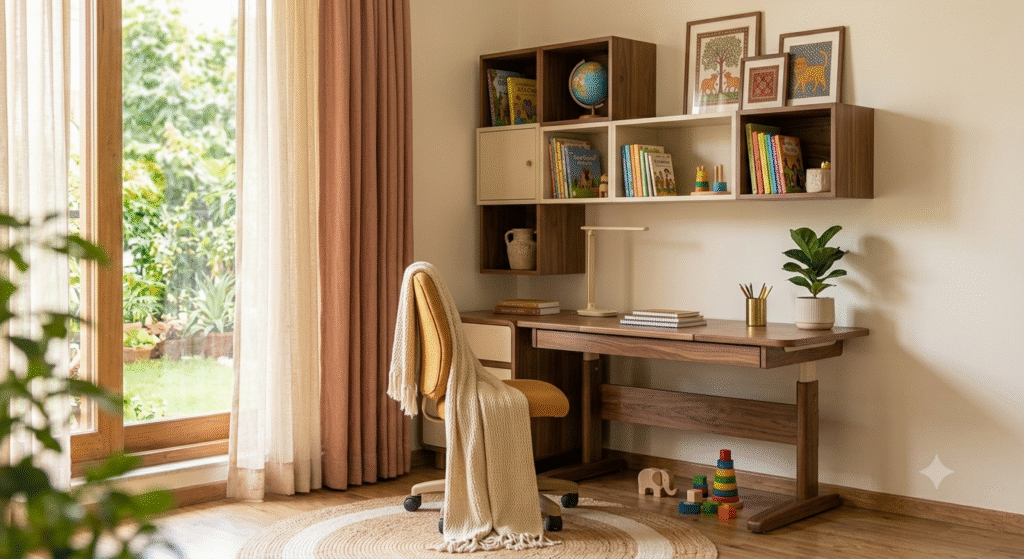
Kids’ needs change fast — what works for a crawling one-year-old won’t work for a homework-doing eight-year-old. Designing flexible, adaptable spaces saves you from a full renovation every few years.
- Modular furniture: Cots that convert to beds, extendable study tables, and modular shelving units that can be reconfigured as your child grows.
- Zoning within rooms: Use rugs, low partitions, or furniture placement to create a “play zone” that can later become a “study zone” without structural changes.
- Multi-purpose living rooms: A coffee table with storage, an ottoman that doubles as toy storage, or a bench with hidden compartments keeps clutter out of sight without sacrificing floor space for play.
4. Don’t Forget Pet-Proofing
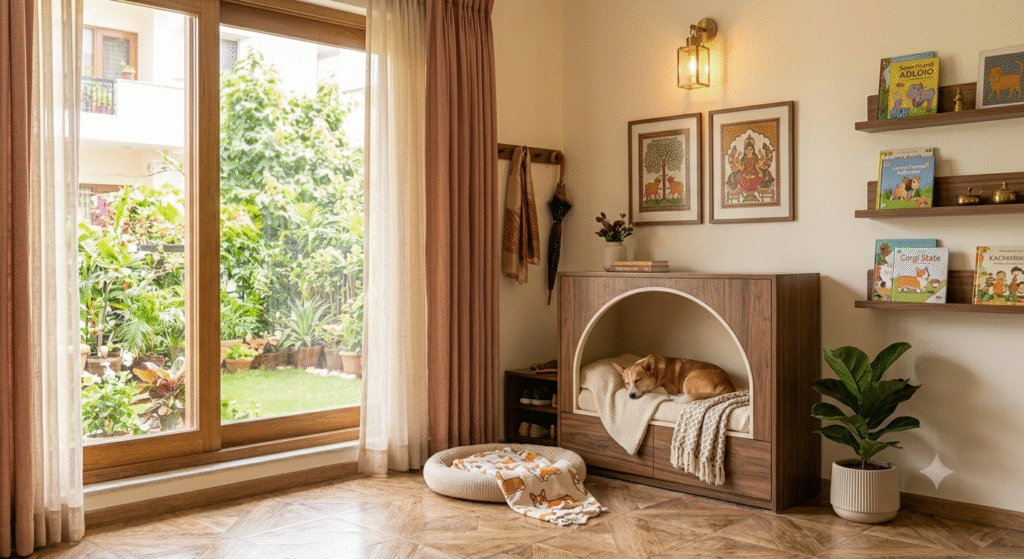
Many Bangalore homes are juggling both kids and pets, and a lot of design decisions serve double duty. When you’re planning a pet-proof, child-friendly home, look for overlaps:
- Scratch-resistant surfaces: Quartz or laminate countertops, and scratch-resistant flooring, protect against both toy trucks and cat claws.
- Easy-clean upholstery: Removable, machine-washable sofa and cushion covers save you from both spilled milk and shedding fur.
- Designated pet zones: A built-in nook for a pet bed or feeding station near the kitchen or utility area keeps mess contained, much like a designated toy-storage zone does for kids.
- Ventilation and odour control: Good airflow and easy-to-clean materials in shared spaces keep the home fresh, whether the mess is from a science project or a wet dog.
5. Bring in Colour and Personality — Thoughtfully
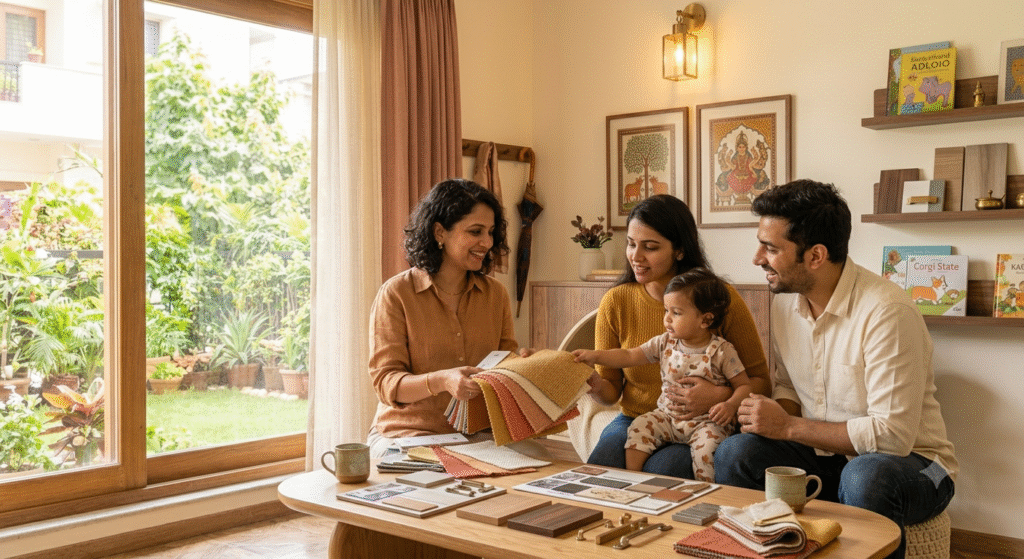
A kid-friendly home doesn’t mean neon walls and cartoon decals everywhere. You can introduce playfulness through smaller, changeable elements while keeping your core palette timeless.
- Accent walls: A single playful wall (soft pastel, a subtle mural, or textured wallpaper) in a child’s room, rather than the whole house.
- Swappable decor: Cushions, art prints, and rugs are easy to update as your child’s tastes change — no need to repaint or re-tile.
- Warm, cohesive palettes: Soft neutrals with warm wood tones age well and hide everyday wear far better than stark whites.
How Infrabob Brings This Together
At Infrabob, we work with a lot of young families across Bangalore who want exactly this — a home that looks elevated but lives comfortably with kids, pets, and everyday chaos. Two things make this easier for our clients:
1. A designer-matching process built around how you actually live. Rather than assigning any available designer, Infrabob takes the time to understand your household first — how many kids, their ages, whether you have pets, your maintenance tolerance, and your style preferences. Based on that, we curate and recommend designers whose portfolios and design philosophy genuinely fit a family-first brief, so you’re not explaining “child-friendly” from scratch or compromising on aesthetics to get durability.
2. Material and layout guidance baked into the design process, so safety, durability, and pet-proofing are considered from the first floor plan — not patched in after the fact with foam corner guards.
The result is a home that photographs beautifully and survives a birthday party, a muddy monsoon walk with the dog, and a toddler’s crayon phase — all in the same week.
Final Thoughts
Designing a kid-friendly, pet-proof home is less about restriction and more about smart choices made early. Durable materials, thoughtful layouts, safety built into the design (not added on top), and a little flexibility for the years ahead — that’s the real formula. And with the right designer guiding those choices, you don’t have to pick between a home that’s beautiful and one that’s built for real life.